Vol. I · History Willowmere Lane Our history

Since 1784

how a family paddock became a private riding estate

Alsio Vandrelli began in 1784 with one family, one white mare and a timber rail. More than two hundred years later it is still a small private riding estate, on the same narrow lane, still booked by request. There is no founding date over the door. The history is kept in the estate’s records, in its buildings, and in the riders who have come back for years. This is how it got here.

The land

Willowmere appears in parish records long before the estate existed. The road was narrow then and still is, and there is still no sign at the gate. The earliest survey of the lower water mentions willows that were already old. A later map shows a sand arena and a timber rail.

The family

The Vandrelli name arrived in 1947, with a family who took the yard exactly as they found it and chose not to change it. They saw themselves as keepers of the place, not owners of a brand. The riders who came after them booked the same way and were welcomed the same way.

What has not changed

Over two hundred years, the people and the horses have changed. Very little else has. The teaching is still classical, the land is still used as it always was, and the estate has stayed small on purpose. This is not a family tree. It is the story of how a private yard lasted by refusing to grow, and why a visit is still booked the way it was when the first records were tied with string.
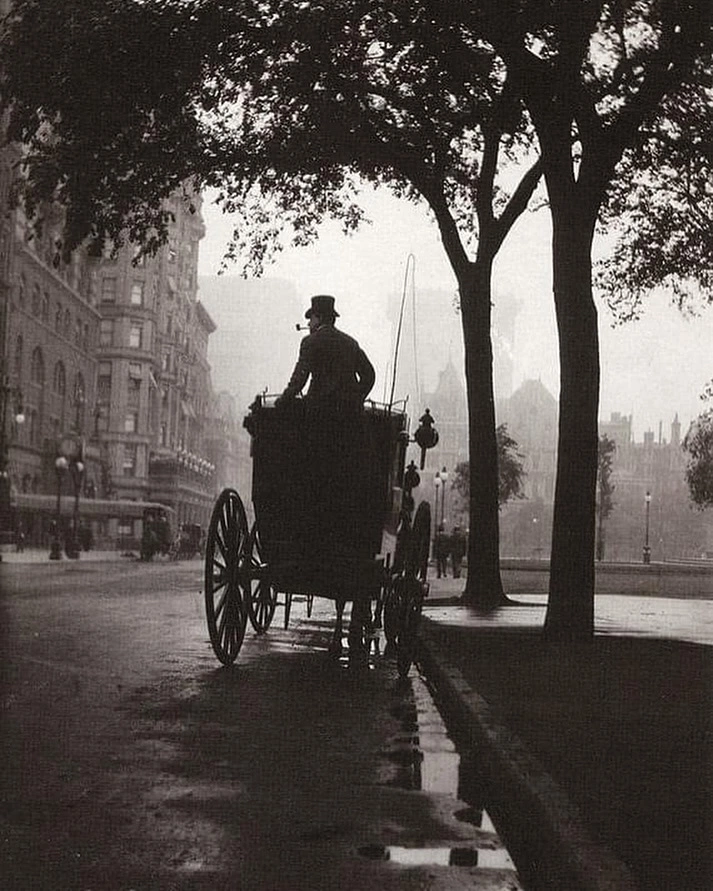
A hansom cab under the trees on a wet evening street
A cab waiting under the trees on a wet evening. From the estate records.

Timeline

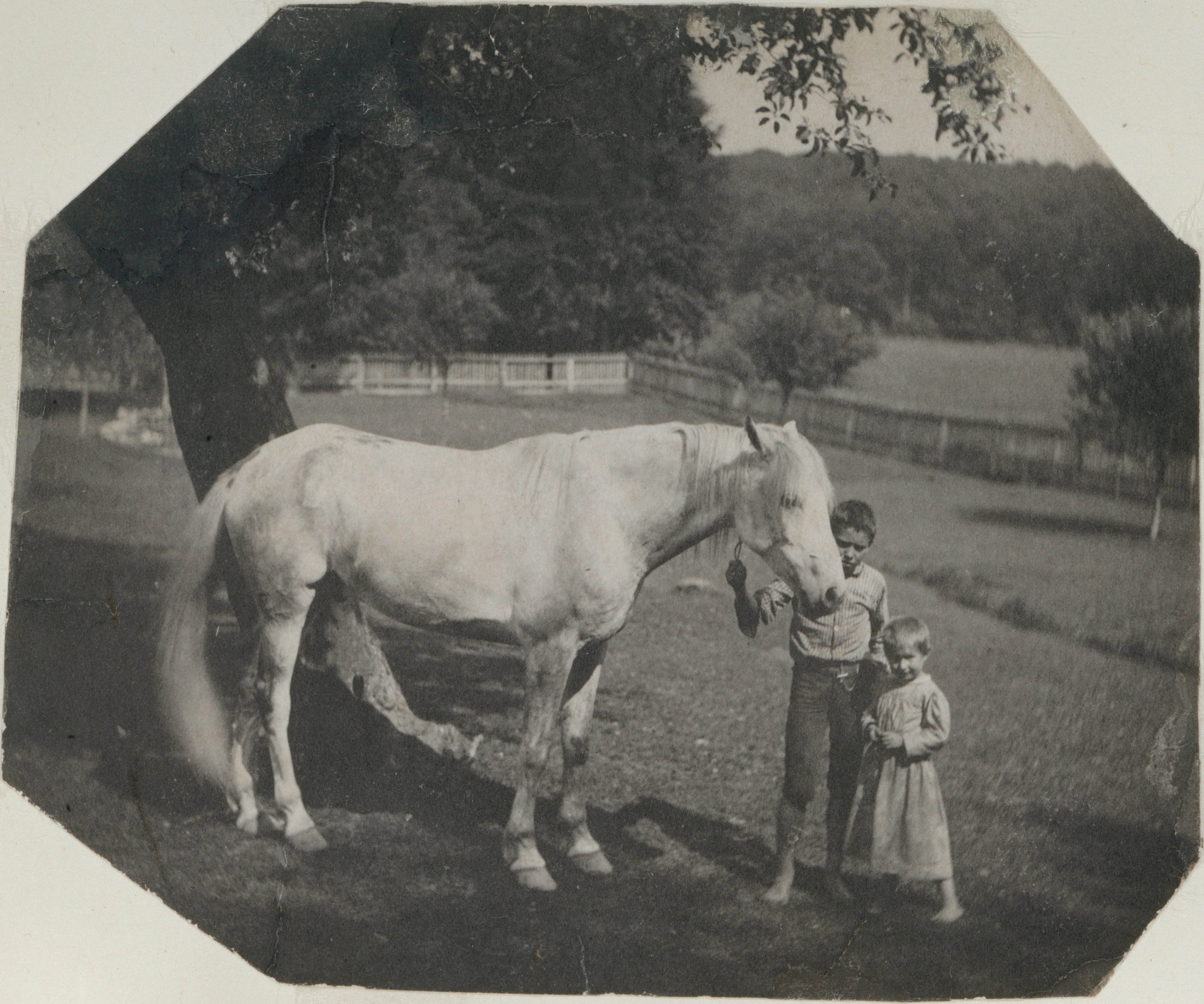
Two children with a white horse by the paddock rail

The beginning

1784

One mare and a paddock

Before there was a house, a family kept one white mare on the lower paddock, with a timber rail and an old tree. The children walked her to the water every evening. It was not a stable yard yet, only a place where a horse was well looked after.

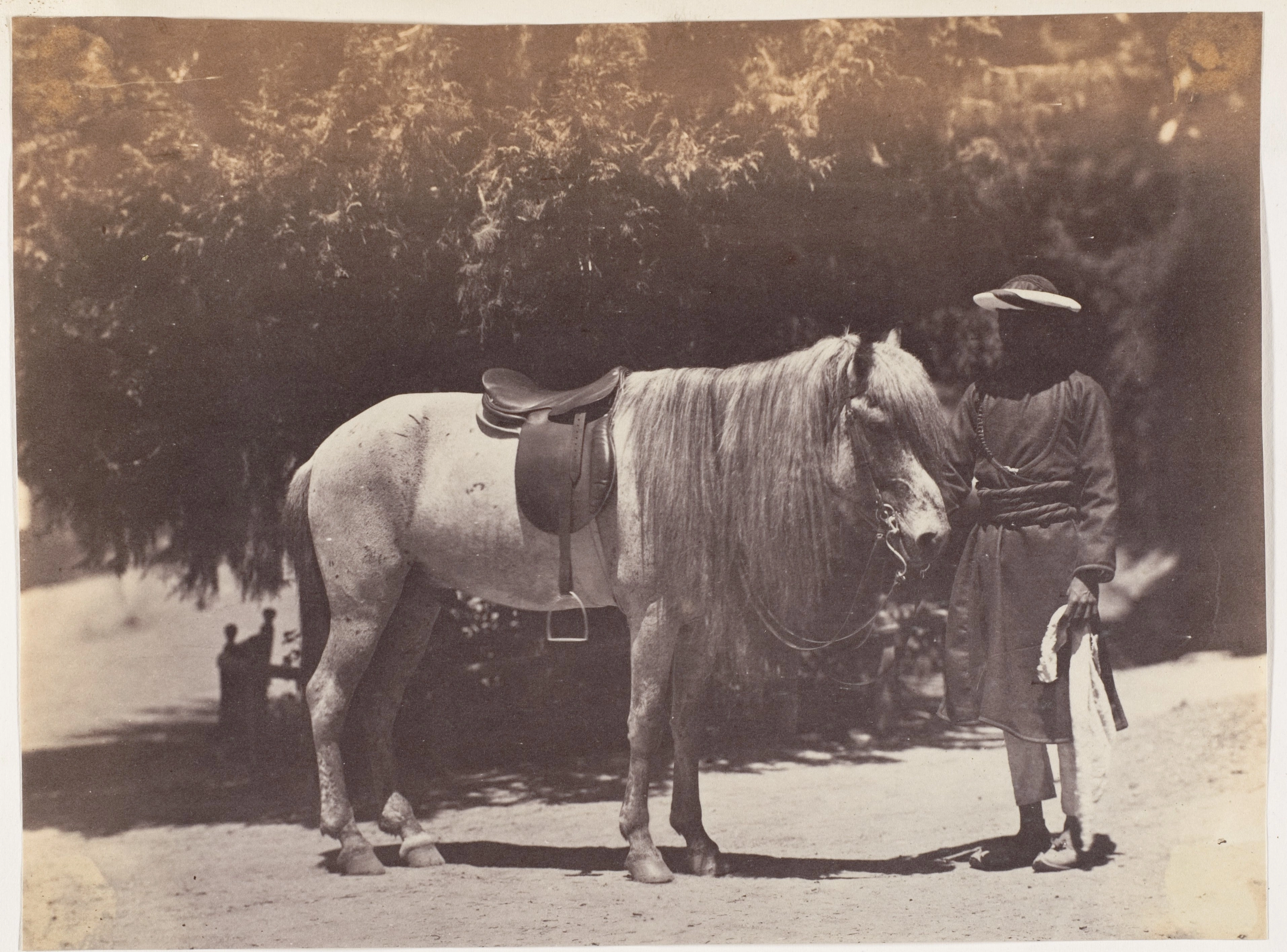
A saddled grey pony held by a groom beneath the trees

The first riders

1812

The first riding school

Neighbours start asking to ride, so the family hires a groom. Sand is laid under the trees so riding can carry on through the wet months. Nobody plans it, but a riding school has begun.

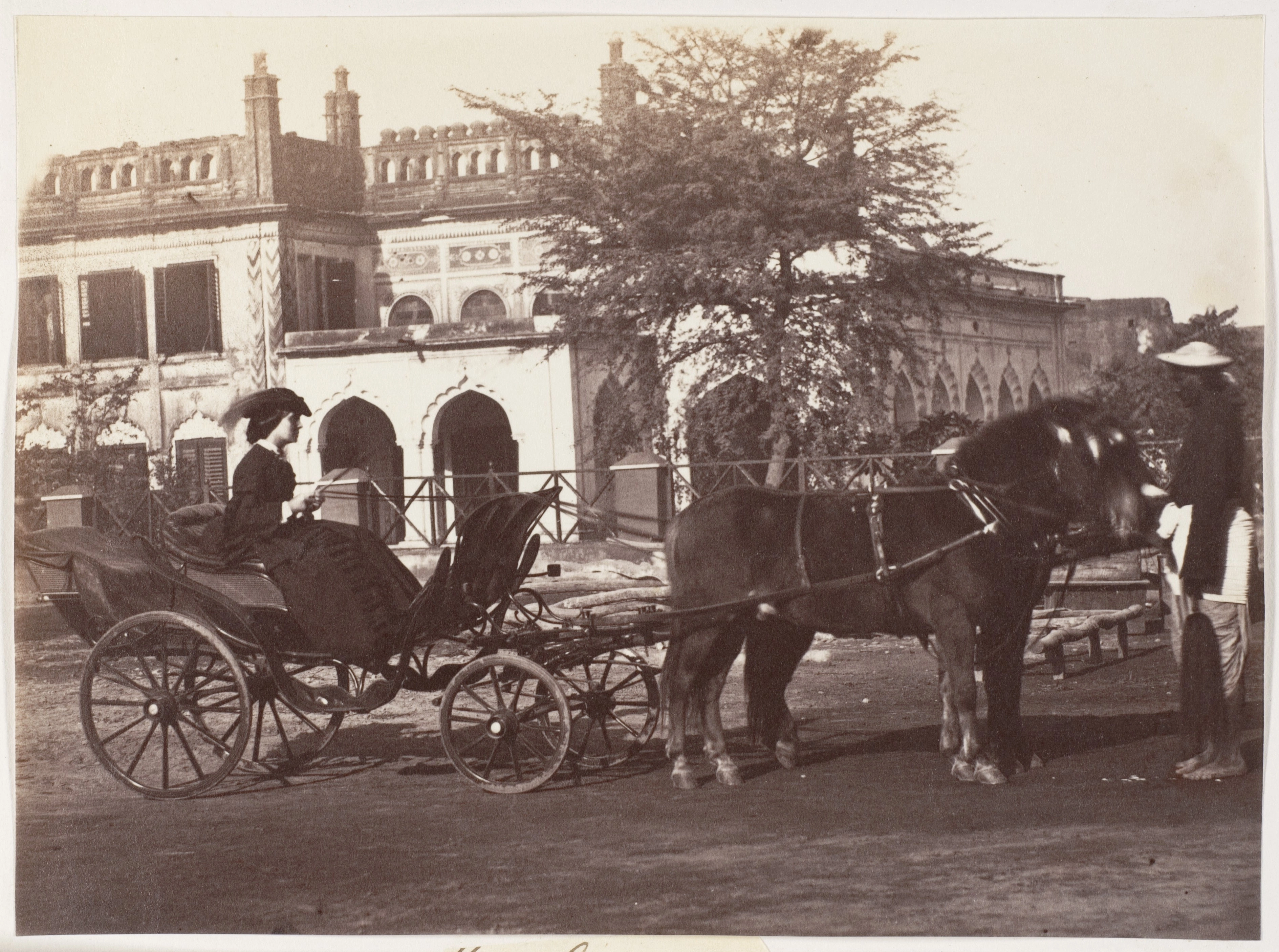
A carriage and pair drawn up before the gates of a stone house

The house

1866

The stone house is built

The stone house is built at the end of the lane, and guests arrive by carriage, met at the door by a groom. There are so many visitors that the inner lane is closed to the road. From this year, visits are by written request only. The estate still works this way.

A hansom cab under the trees on a wet evening street

The return

1919

Riders come back

The war takes most of the horses and leaves the stables empty. When it ends, the requests start again. A cab meets the evening train and brings riders up the lane, and the stables slowly fill once more.

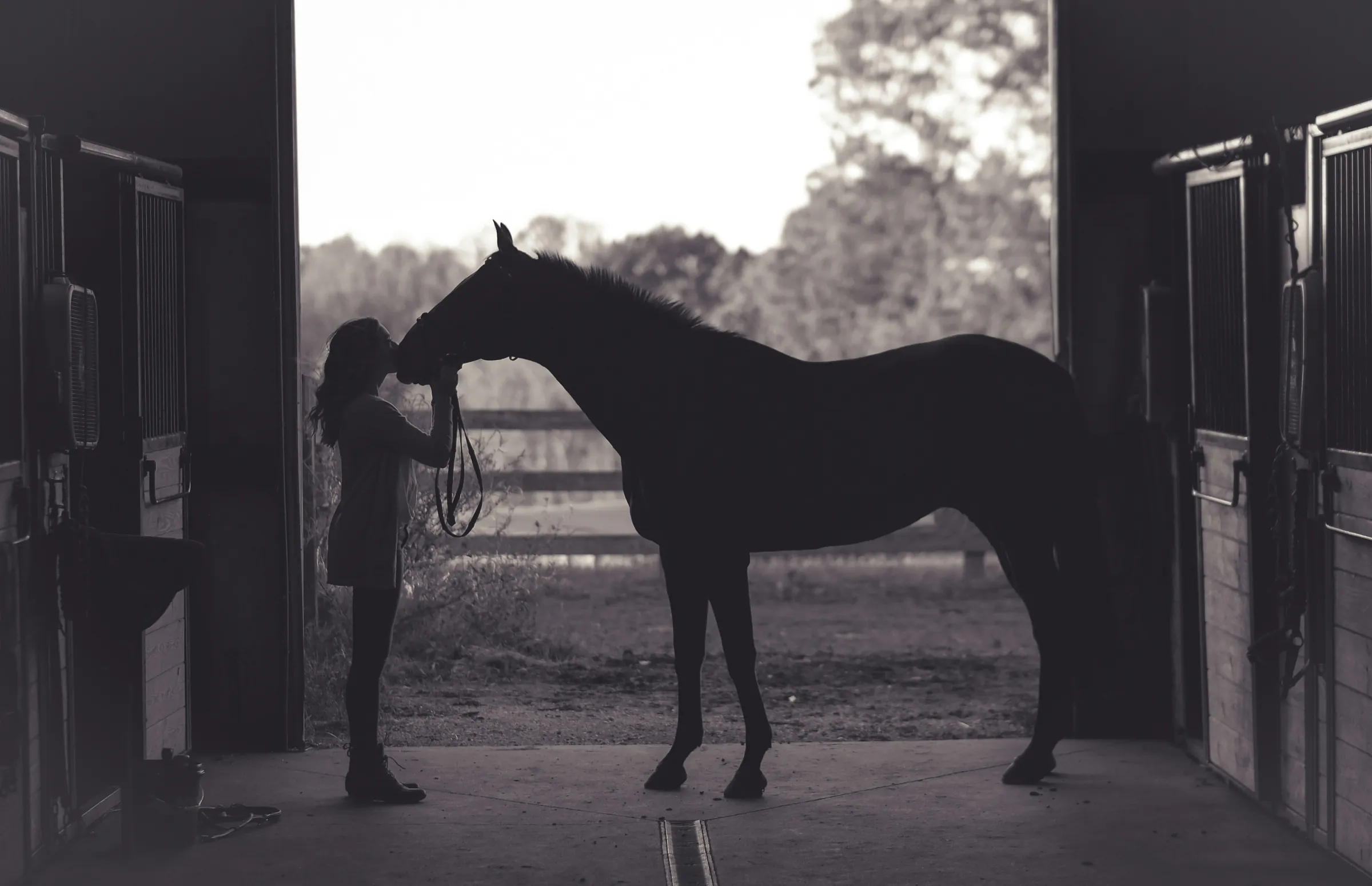
A rider with a horse in the stable doorway, as the name is kept

The name

1947

The Vandrellis arrive

A family from the south takes over the yard and keeps it exactly as it is: the same stalls, the same doorway onto the paddock. Their daughter spends her first summer in that doorway, with a horse’s head over her shoulder. That autumn, the first letter signed Vandrelli goes out.

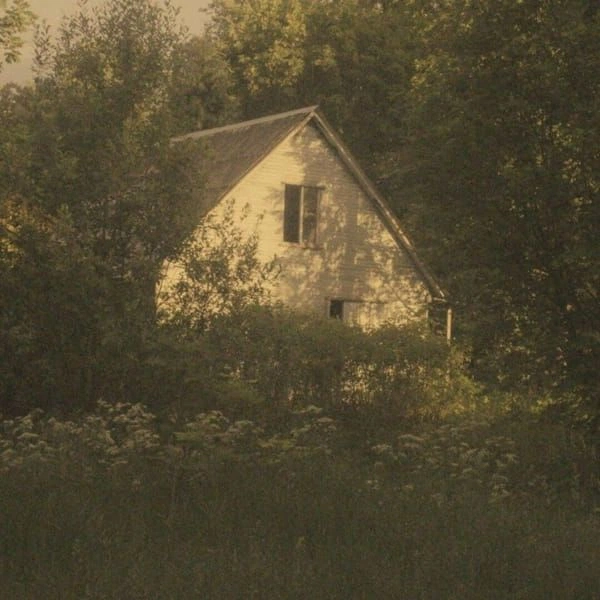
The old house among the trees above the meadow, left as the morning leaves it

The mending

1978

Repaired by hand

After two centuries of weather, the old house among the trees needs work. The family repairs it by hand rather than rebuilding: new boards where the rain got in, old glass kept wherever it held. The meadow around it is left to grow wild, and still is.

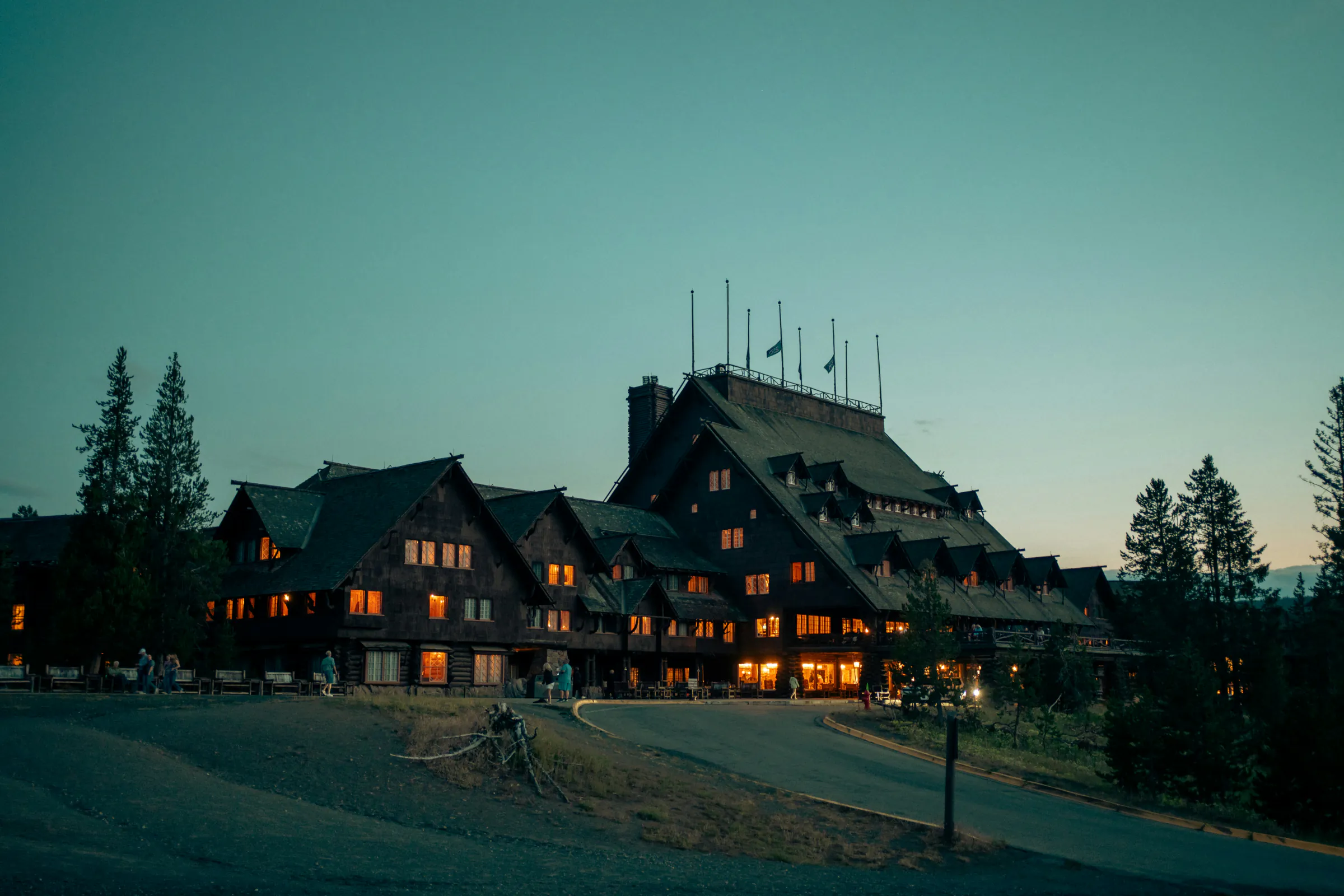
The house at dusk, its windows lit, as it stands now

The present

Now

The estate today

More than two hundred years after the first mare, the estate is open Tuesday to Sunday and closed on Mondays. Visits are still booked by request, and every request still gets a reply.

A note on the name

Where the name comes from

The name is Italian; the estate is English. The records make nothing of it. A family arrived, took on the yard as it was, and kept every local name in place: the water, the willows, the way of working. Alsio is not a motto. It is a first name that stuck, as names do when a place is looked after for long enough.

Guests today still write to the estate itself, not to a brand. We print the name here exactly as it appeared on the first letters.
A woman in a silk headscarf reading the morning paper
From the archive: a reader with the morning paper. Photographer unknown.